
Cavitation vs. Laser Lipo:
Which One Actually "Destroys" Fat
The "Permanent" Question: Apoptosis vs. Shrinking
If you are a body contouring specialist in 2026 - or even a client researching treatments - you've probably asked:
What's the difference between cavitation and laser lipo?
They're often used in fat reduction treatment plans, sometimes confused with each other, and frequently misunderstood.
The truth is... they work in completely different ways.
Understanding that difference is what separates average results from consistent, noticeable outcomes.
In this article, we'll break down:
- How cavitation works
- How laser lipo works
- The key differences
- When to use each
- And which one actually works better (based on the situation)
What is Cavitation
 Cavitation (also known as ultrasonic cavitation) uses low-frequency sound waves to target fat cells beneath the skin.
These sound waves create pressure changes that cause fat cells to break down and release their fat contents.
The body then processes and eliminates this through the lymphatic system.
Key Benefits of Cavitation
- Targets localized fat deposits
- Helps reduce inches
- Works well for stubborn areas
- Can create visible results quickly (when done correctly)
What is Laser Lipo
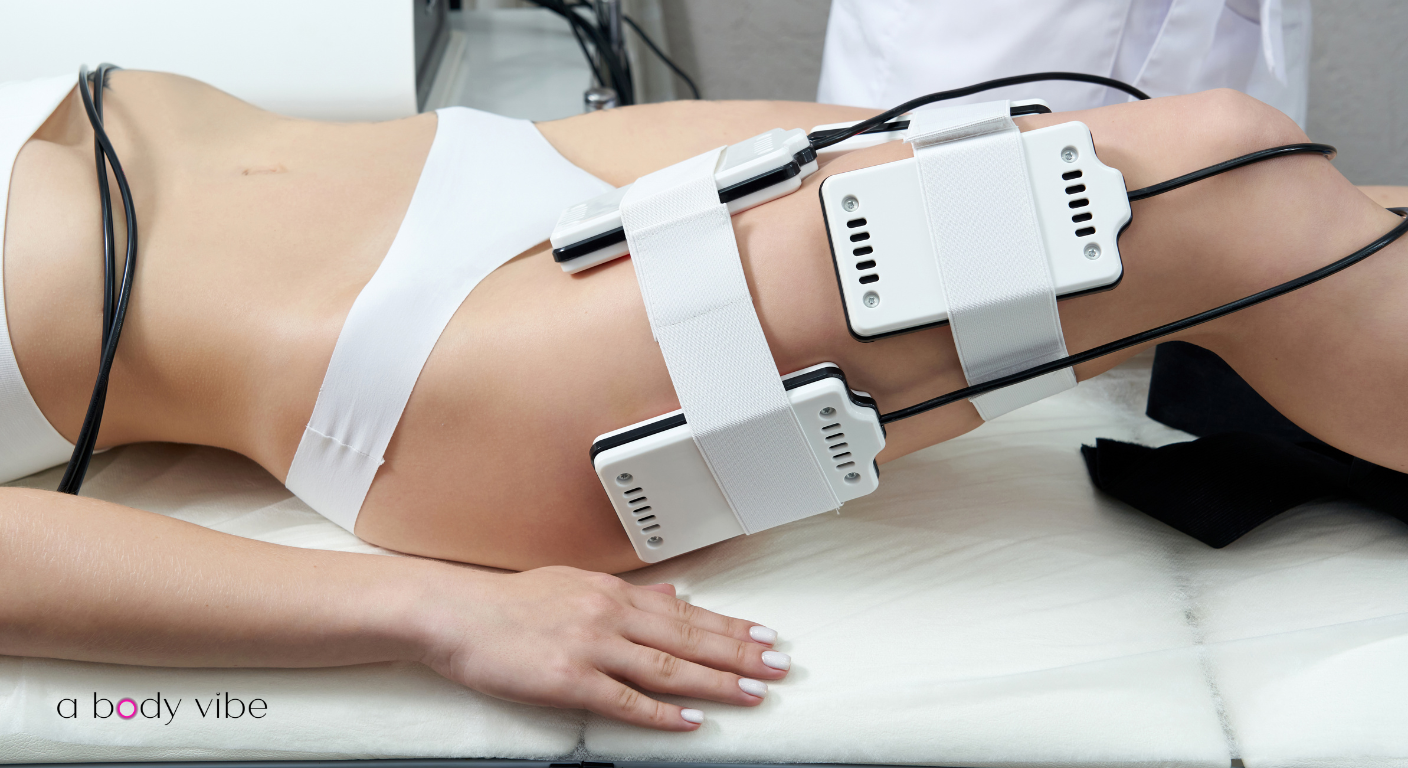 Laser lipo uses low-level laser energy to stimulate fat cells and encourage them to release stored fatty acids.
Instead of destroying fat cells, it shrinks them temporarily.
Key Benefits of Laser Lipo
- Noninvasive and gentle
- Helps stimulate fat release
- Great as a substitute or alternating treatment for cavitation
- Can enhance results when combined with certain other treatments
Cavitation vs Laser Lipo: Key Differences
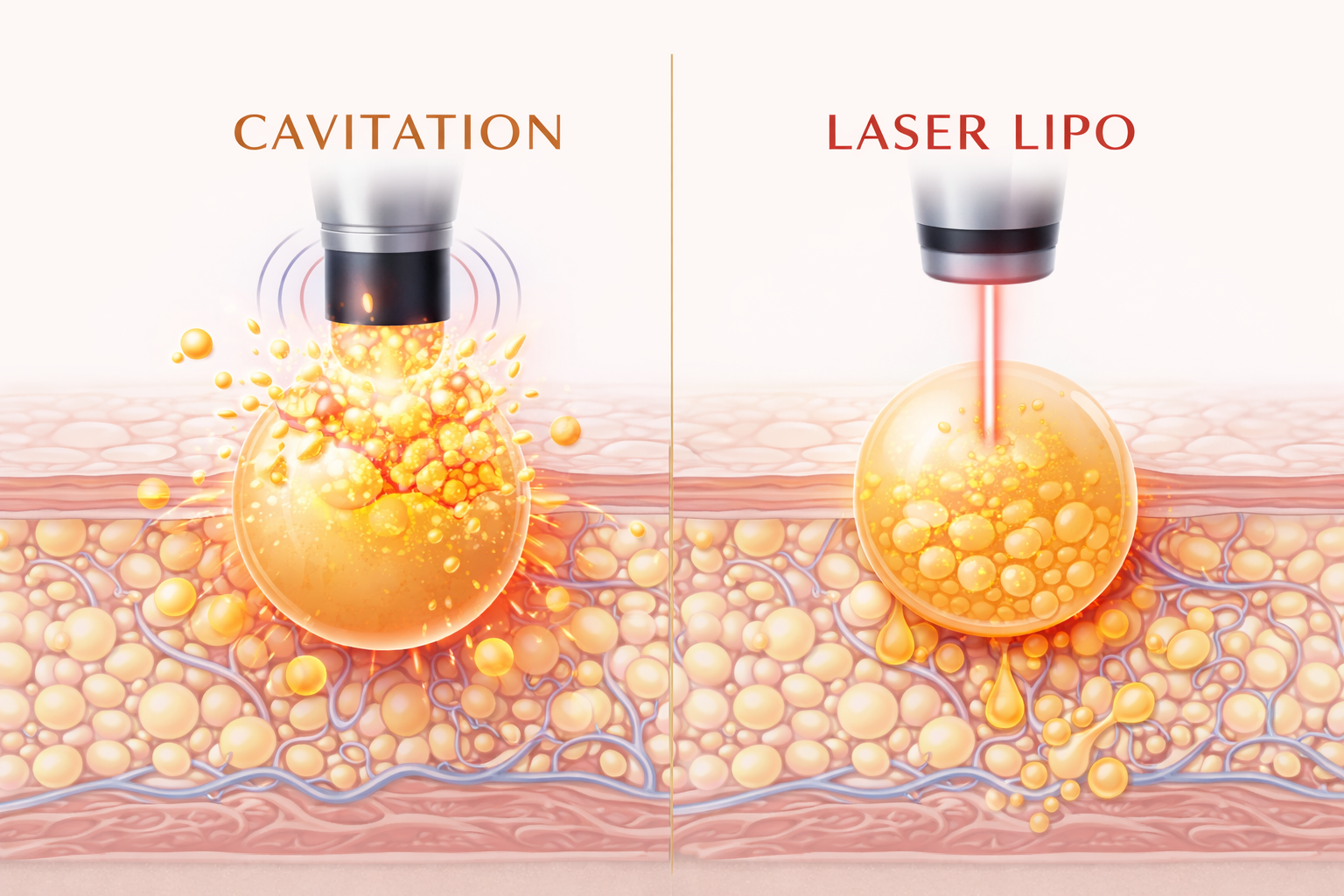 Here's where it really matters:
Cavitation:
- Mechanism: Breaks down fat cells
- Intensity: Stronger, more aggressive
- Goal: Inch loss + fat reduction
- Best for: Stubborn fat areas
Laser Lipo:
- Mechanism: Empties fat cells
- Intensity: Mild, supportive
- Goal: Stimulate fat release
- Best for: Alternating with cavitation + enhancing results
Which One Works Better?
This is where people get confused.
It's NOT about which one is better.
It's about when and how you use them.
Laser lipo alone won't produce strong, long-term results.
Cavitation alone can be less effective if the tissue isn't properly prepped.
The best results come from a strategic combination.
But even more importantly... understanding what's happening inside the tissue.
Because if:
- fluid is backed up
- inflammation is present
- lymphatic flow is sluggish
You can use BOTH treatment in a treatment plan and still get poor results.
Why Some Clients Don't See Results
If a client isn't responding, it's usually from:
- Interstitial fluid backup
- Inflammation
- Poor lymphatic drainage
- Tissue resistance
And if those aren't addressed first... you're just repeating stimulation on already stressed tissue.
When Should You Use Each Treatment?
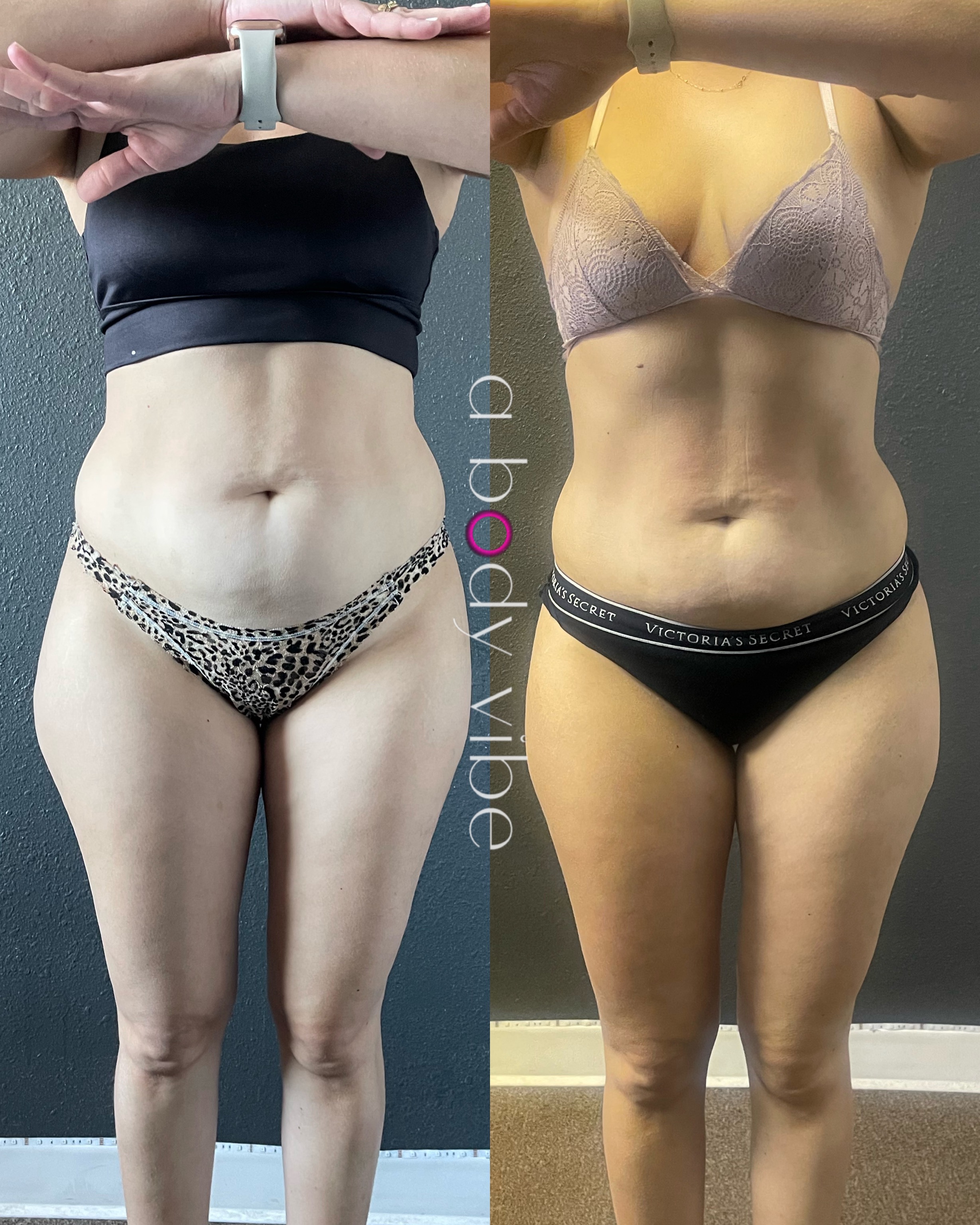 Use Laser Lipo when:
- You want to stimulate fat release
- You're alternating fat reduction treatments
- Your client has a contraindication to cavitation
Use Cavitation when:
- You're targeting stubborn fat
- The tissue is ready
- You want more aggressive results
Final Thoughts
Cavitation and laser lipo are both powerful tools.
But tools only work as well as the strategy behind them.
Understanding the difference is important...
But understanding the body itself is what creates real results.
If you're a specialist struggling with inconsistent results, it's usually not your technique - it's what's happening underneath the surface.
I go deeper into this in my trainings, where I break down:
- tissue response
- fluid vs fat
- why results stall
- and how to fix it
If you need any additional help breaking down the science behind the treatments, join The Contour Room - a membership made specifically for body contouring specialists to help them with continuing education, givingt hem deeper insight into the body and the treatments and how they interact together.